Request appointment

MOT, servicing and repairs without the runaround

Need an MOT, routine service or help with a warning light? Choose the job, tell us about the car and get the right visit underway.

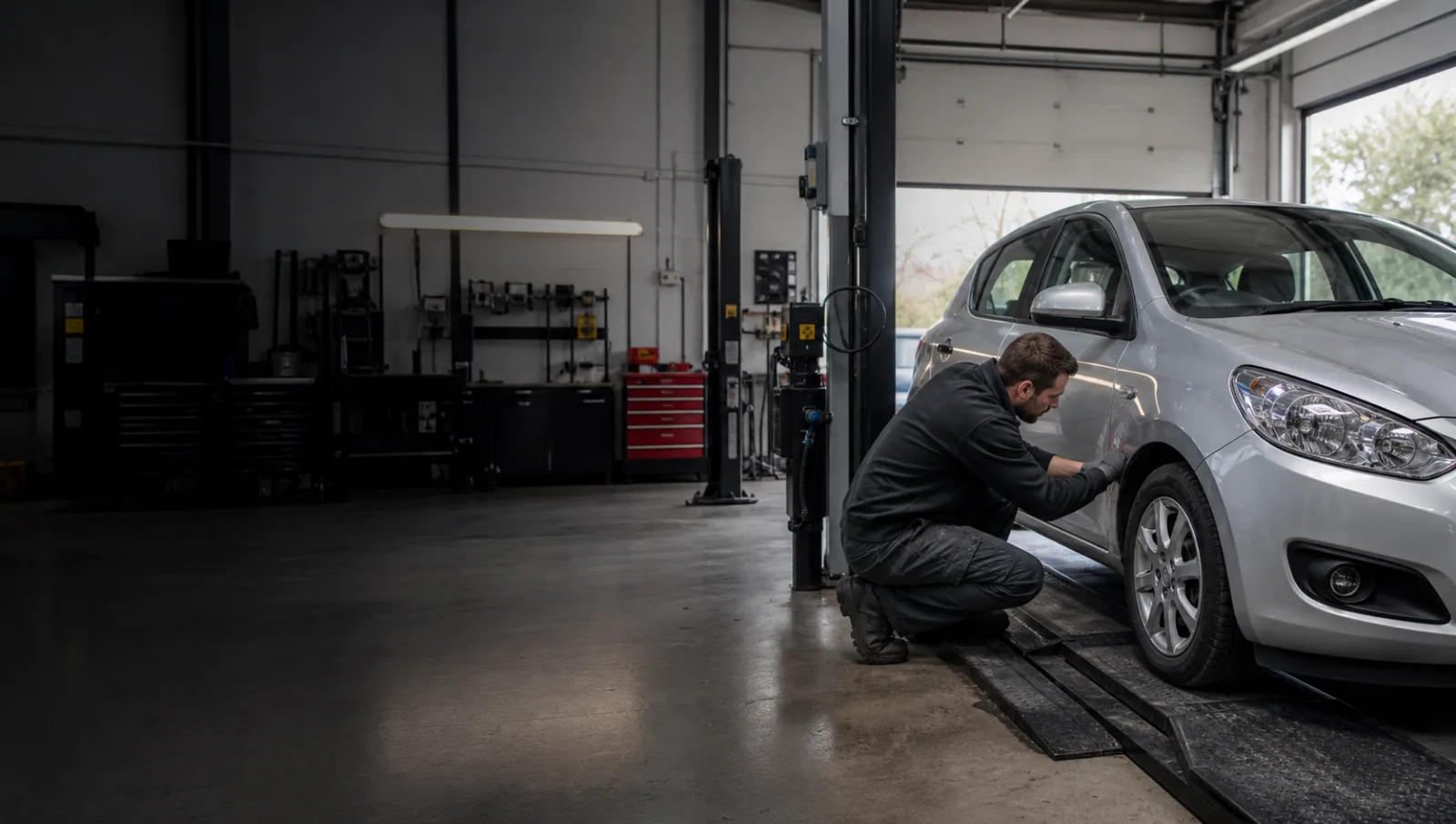
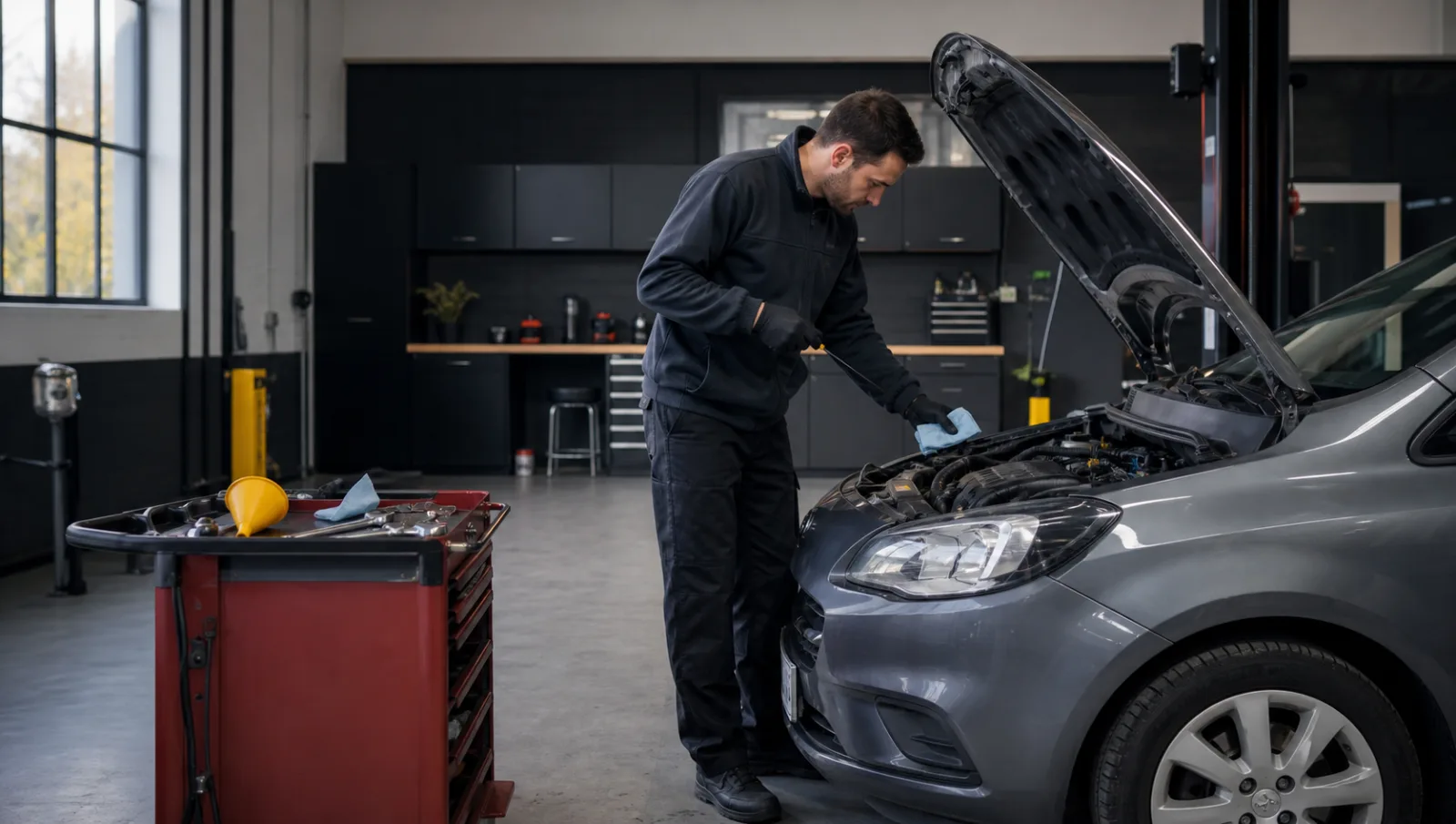
A mechanic inspecting a silver hatchback in a modern independent workshop.
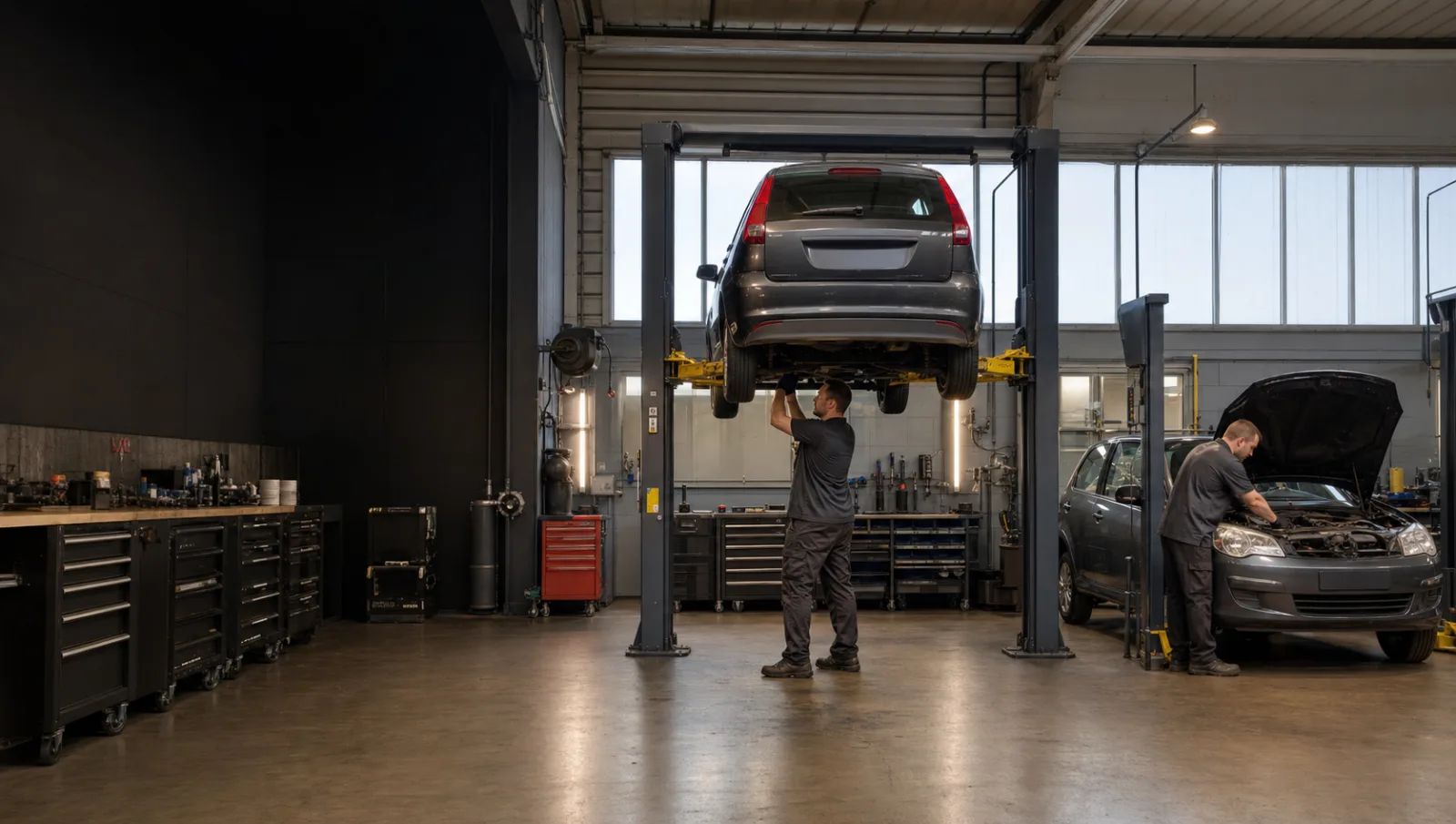
Two cars being worked on in separate bays inside an organised workshop.
Service directory

Choose a route

Choose the job you need or describe what the car is doing

Book an MOT or routine service directly when the work is known. If a warning light, sound or driving change has appeared without a clear cause, start with diagnostics so the right checks can be planned.

  • MOT due date or test preparation.
  • Routine servicing and maintenance history.
  • Warning lights, unusual noise or changed driving feel.
MOT Test route
Service Routine care
Repair Known or suspected fault
MOT planning

Use the due date to plan the next sensible step

Check the vehicle's current MOT status before choosing a date. A few visible checks can make test day less surprising, while the statutory inspection still belongs with an approved test centre.

  • Have the registration and current expiry date ready.
  • Note known warning lights or recent repair work.
  • Do not treat a pre-check as an MOT result.
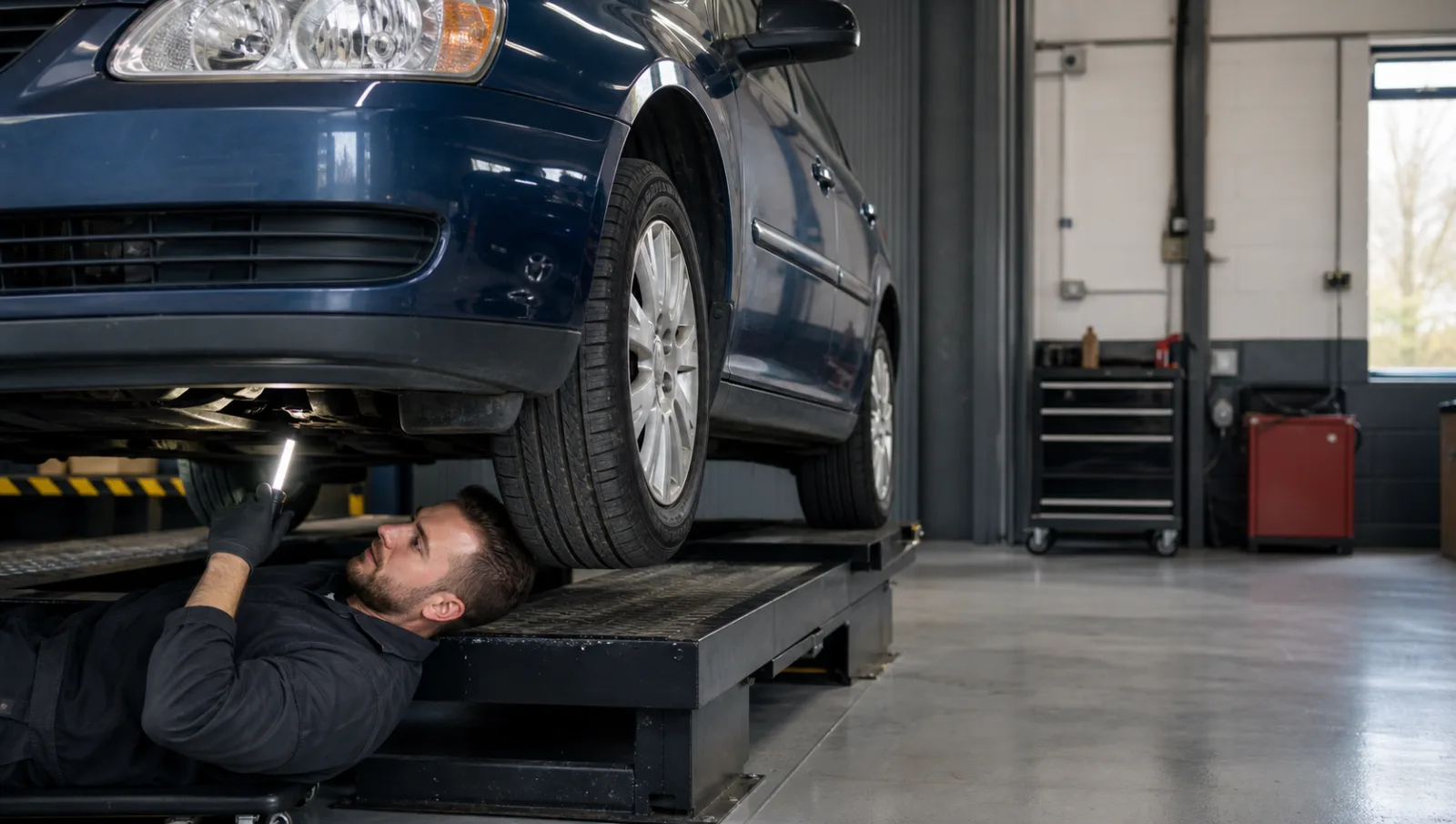
A mechanic using an inspection lamp beneath a car in a test bay.
MOT route
A mechanic checking a car engine during routine servicing.
Car servicing

Routine care

Service conversations work better with history and driving context

Mileage alone does not explain how a vehicle is used. Service records, manufacturer guidance, journey pattern and any recent changes help frame the conversation before work is approved.

  • Share the make, model, age and current mileage.
  • Bring available service history or recent invoices.
  • Mention towing, short journeys or other demanding use.

Fault finding

A warning light is a clue, not a complete diagnosis

Record the exact light, when it appeared and whether the car changed at the same time. Diagnostic equipment can provide evidence, but inspection and testing are still needed to identify a repair route.

  • Do not clear the light before the appointment if avoidable.
  • Note whether the issue is constant or intermittent.
  • Stop driving and seek appropriate help if the vehicle feels unsafe.
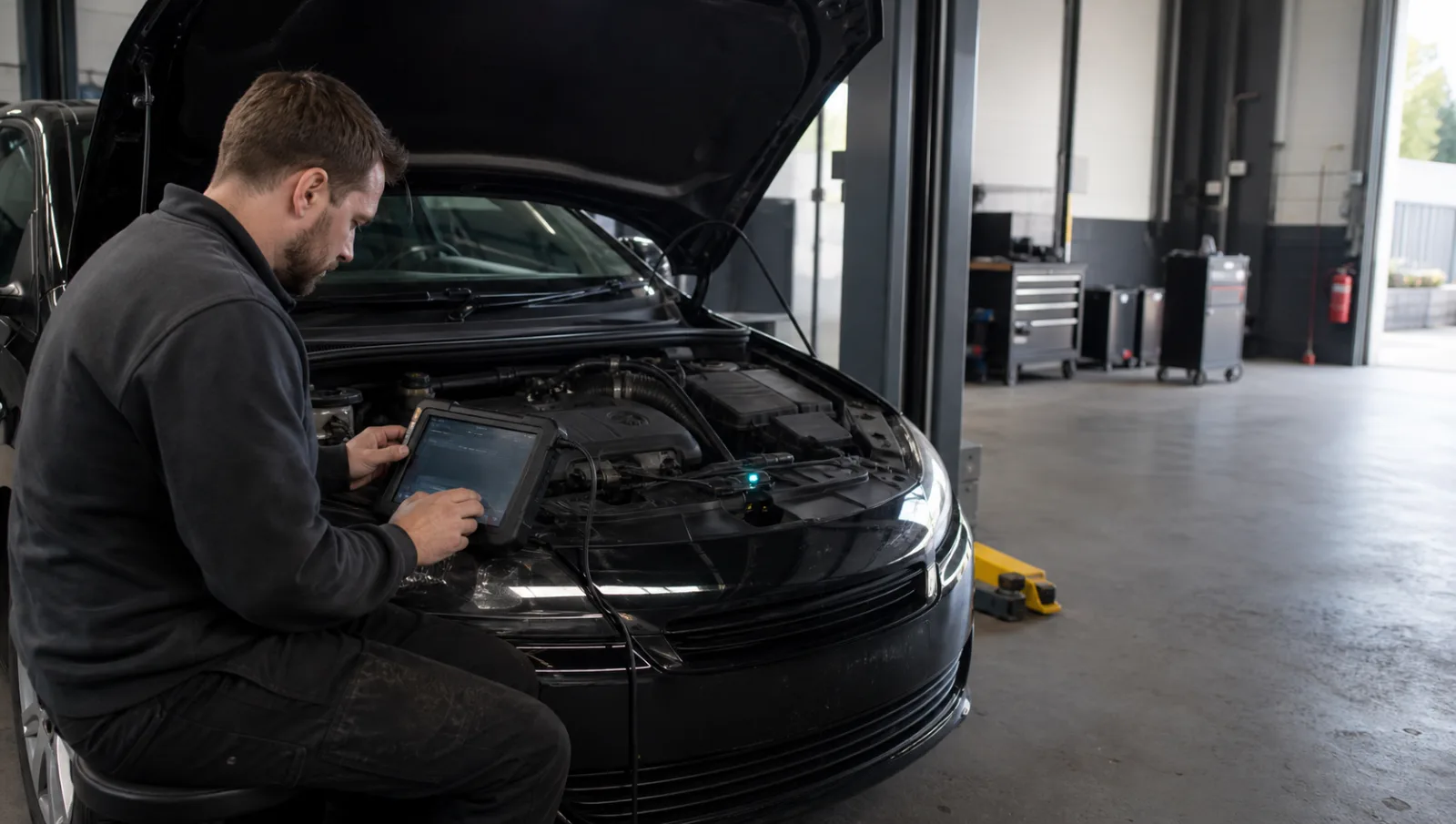
A mechanic connecting diagnostic equipment to a car with its bonnet open.
Diagnostics
A mechanic discussing a blank inspection sheet with a customer.
Clear decisions

Before approval

Know what has been checked before approving more work

You should be able to see what has been assessed, which work is recommended and what it is expected to cost. If the inspection changes the job, review the new findings before additional work proceeds.

  • Ask what is known and what still needs investigation.
  • Confirm the agreed work and any estimate assumptions.
  • Make sure changed findings are explained before approving extra work.

Questions

Useful answers before the next step

How do I book an MOT or service?

Choose the service you need and use the appointment page to add the registration, mileage and preferred timing. This preview creates a reviewable request but does not yet transmit it.

Which route should I choose for a warning light?

Start with diagnostics unless a qualified assessment has already identified the repair. Include the exact warning, when it appeared and any change in how the vehicle drives.

Why are prices not shown?

Vehicle specification, parts and diagnostic work can all change the figure. Ask for the estimate basis and approve the work before it begins.

What if the car may be unsafe to drive?

Stop using the vehicle and contact an appropriate garage, recovery provider or emergency service for the situation.

What information helps when I book?

Have the registration, mileage, service history and a short description of the work or symptom ready. Mention warning lights and recent repairs.

Next step

Choose the right visit for your car

Book your car in