Request appointment

Battery and electrical checks for starting and charging faults

A flat battery may be the result rather than the cause. Note starting behaviour, warning lights and recent battery or electrical work so testing can cover the right system.

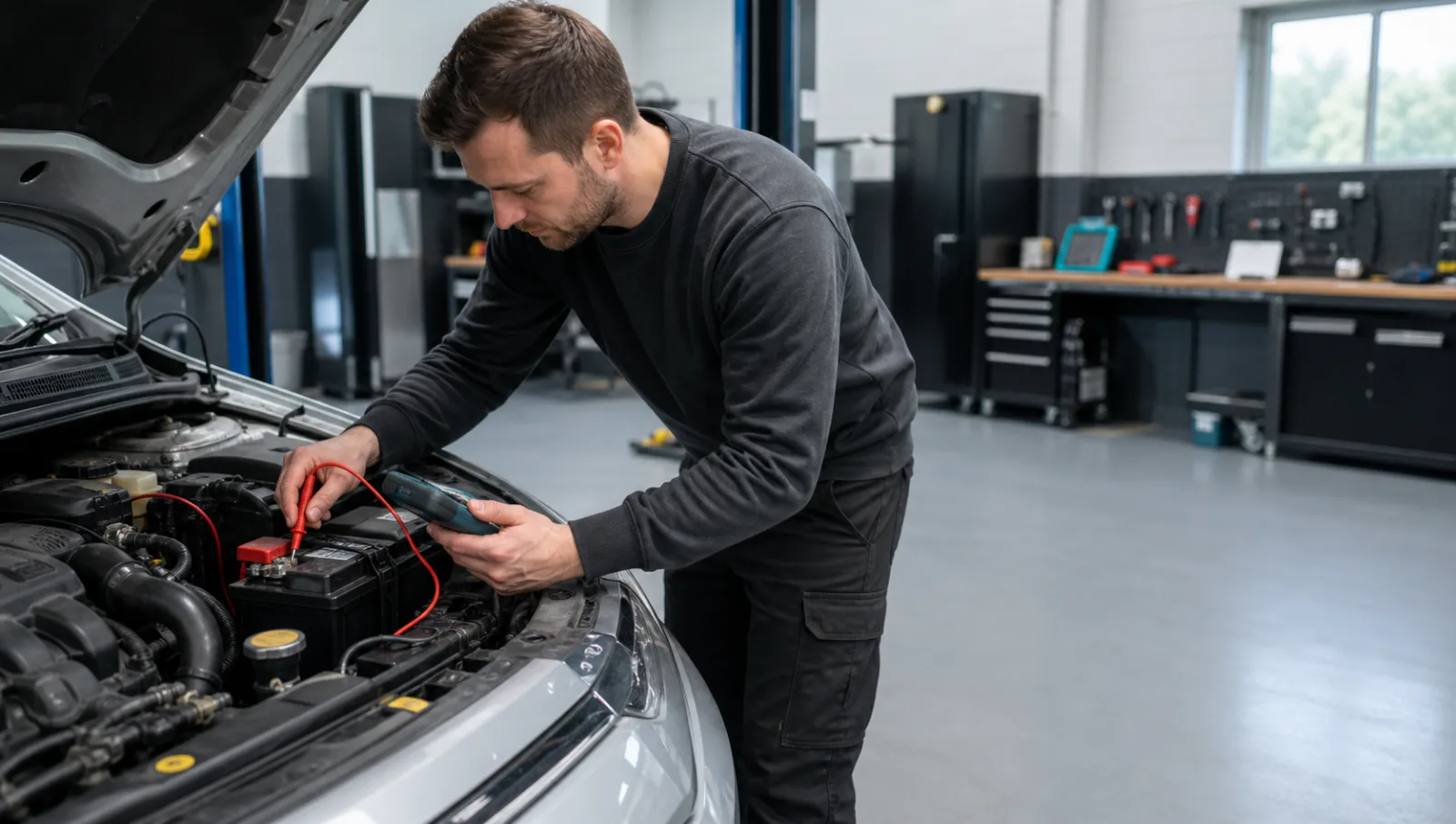
A mechanic using a multimeter to test a car battery.
Starting brief

Starting symptoms

Slow cranking, clicking and complete silence are useful distinctions

Describe what happens when the key or start control is used, how the lights behave and whether a jump start changed the result. Include how long the car had been parked.

  • Sound and speed during the start attempt.
  • Dashboard warnings or dimming lights.
  • Recent jump starts, battery replacement or storage.

Battery and charging

Test the battery in the context of the charging system

Battery condition, connections, charging output and vehicle demand can interact. Replacing the battery without understanding repeated discharge may leave the original problem unresolved.

  • Ask what battery and charging tests were completed.
  • Mention repeated flat-battery events and journey pattern.
  • Confirm whether further drain testing is needed.
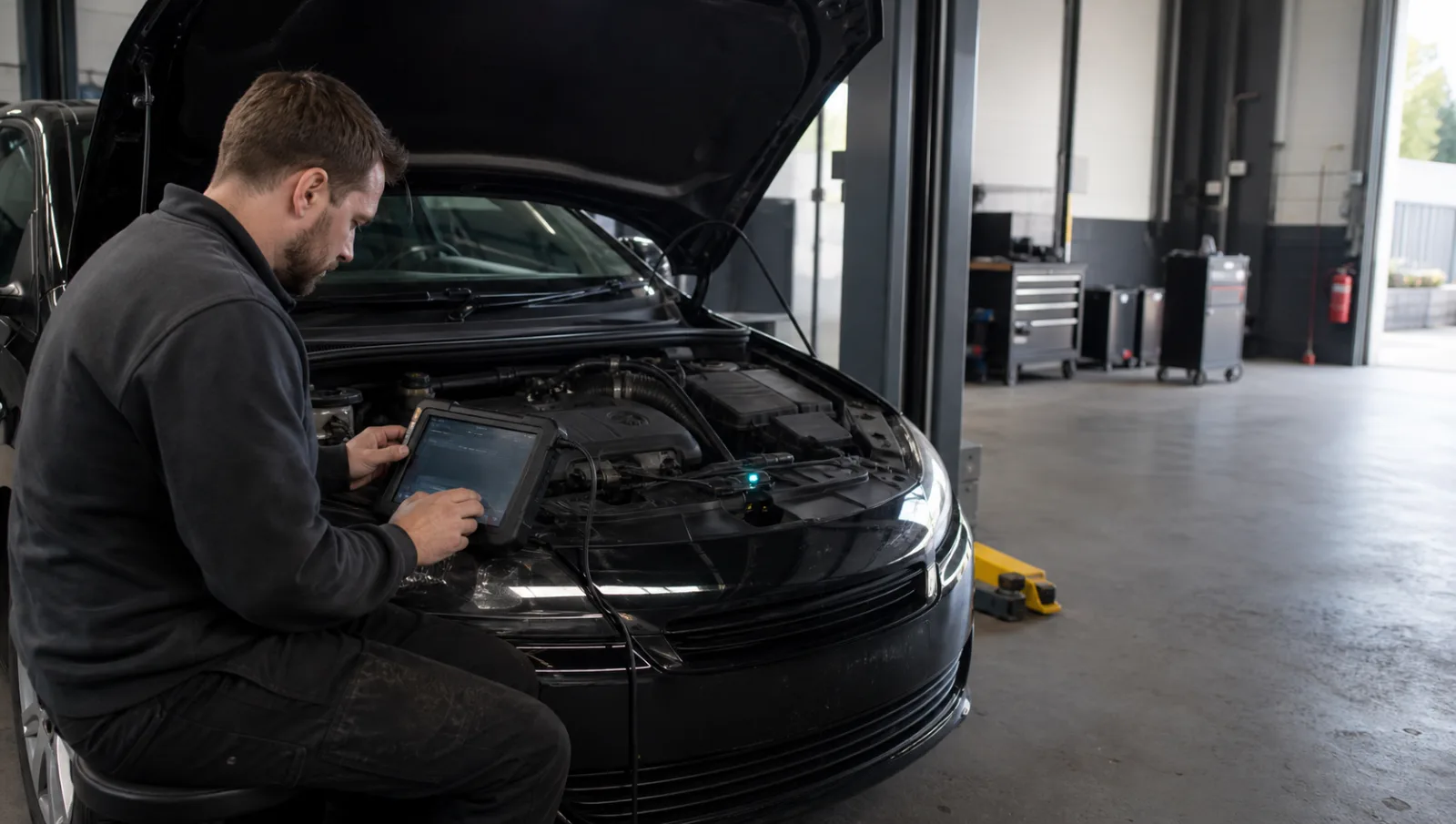
A mechanic connecting diagnostic equipment to a car with its bonnet open.
Electrical testing
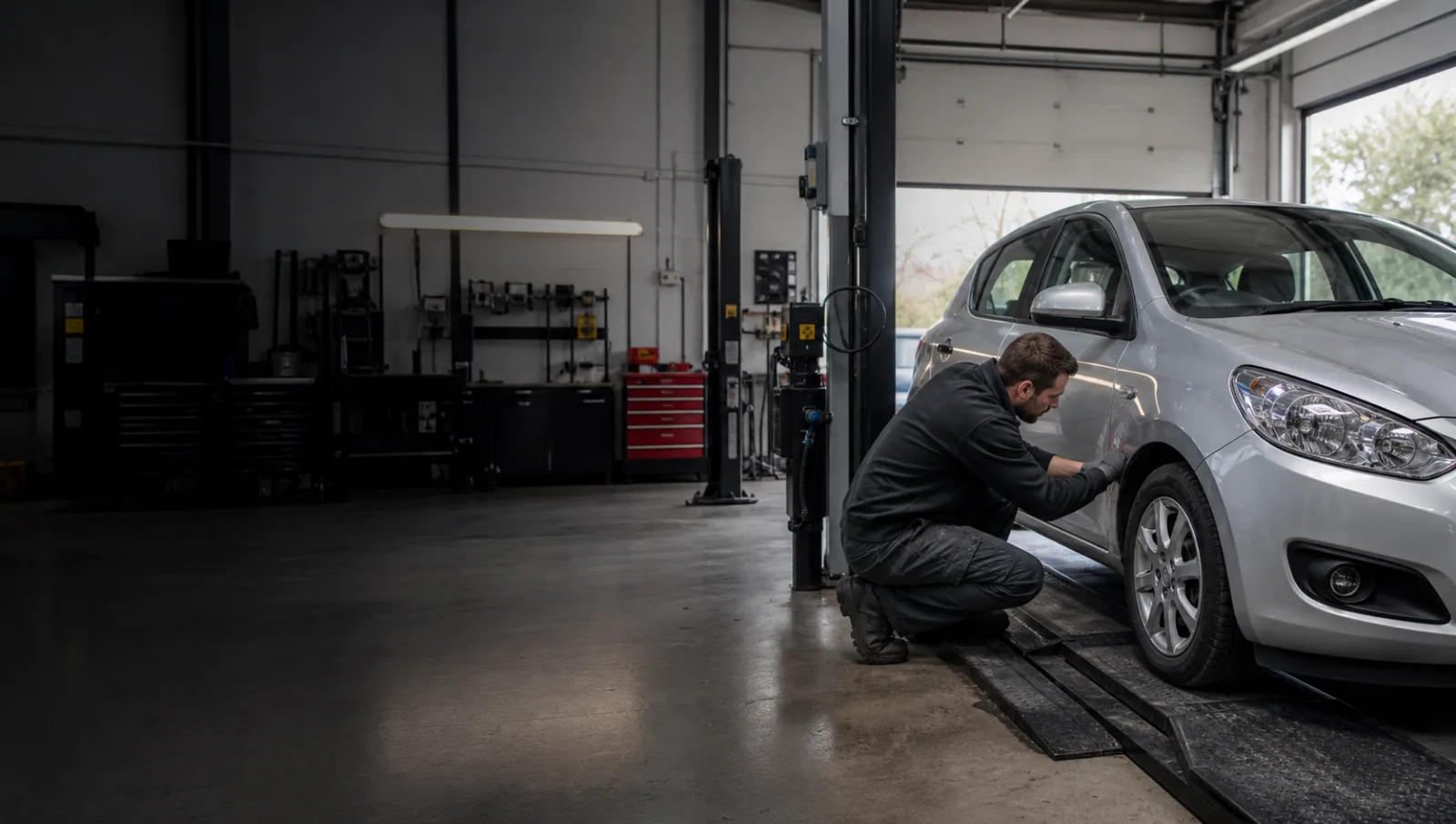
A mechanic inspecting a silver hatchback in a modern independent workshop.
Fault pattern

Intermittent faults

Record which circuits fail and what brings them back

Electrical problems can depend on temperature, vibration, moisture or another control. Note the exact lights, controls or accessories affected and avoid replacing unrelated fuses repeatedly.

  • Affected circuit and warning message.
  • Weather, journey stage and frequency.
  • Recent accessories, wiring or body repairs.

Replacement scope

Confirm specification, fitting and vehicle setup requirements

Battery technology and vehicle management differ. The operator should confirm the suitable specification and whether the vehicle needs any reset, registration or retained-power procedure.

  • Match the battery specification to the actual vehicle.
  • Ask what fitting and disposal include.
  • Keep the test and replacement record.
A mechanic discussing a blank inspection sheet with a customer.
Before approval

Questions

Useful answers before the next step

Does a flat battery always need replacing?

No. Battery condition, charging, connections, vehicle use and electrical drain can contribute. Testing should support the recommendation.

What should I mention about a starting fault?

Describe the sound, cranking speed, dashboard behaviour, temperature, parking duration and whether a jump start changed anything.

Can a battery be fitted to any car?

No. Specification and vehicle requirements differ. A real operator should confirm the appropriate type and any setup procedure.

Why does the battery keep going flat?

Repeated discharge may relate to battery condition, charging, journey pattern or electrical demand. Further testing may be needed.

What if there is smoke, heat or a burning smell?

Stop using the vehicle, keep a safe distance and seek appropriate professional or emergency help. Do not continue testing through this demo.

Next step

Prepare the details before requesting an appointment

Request an appointment