Request appointment

Mechanical repairs with scope agreed before the spanners turn

Bring the symptom, available diagnosis and recent work history. The next step should separate what is confirmed from what still needs investigation.

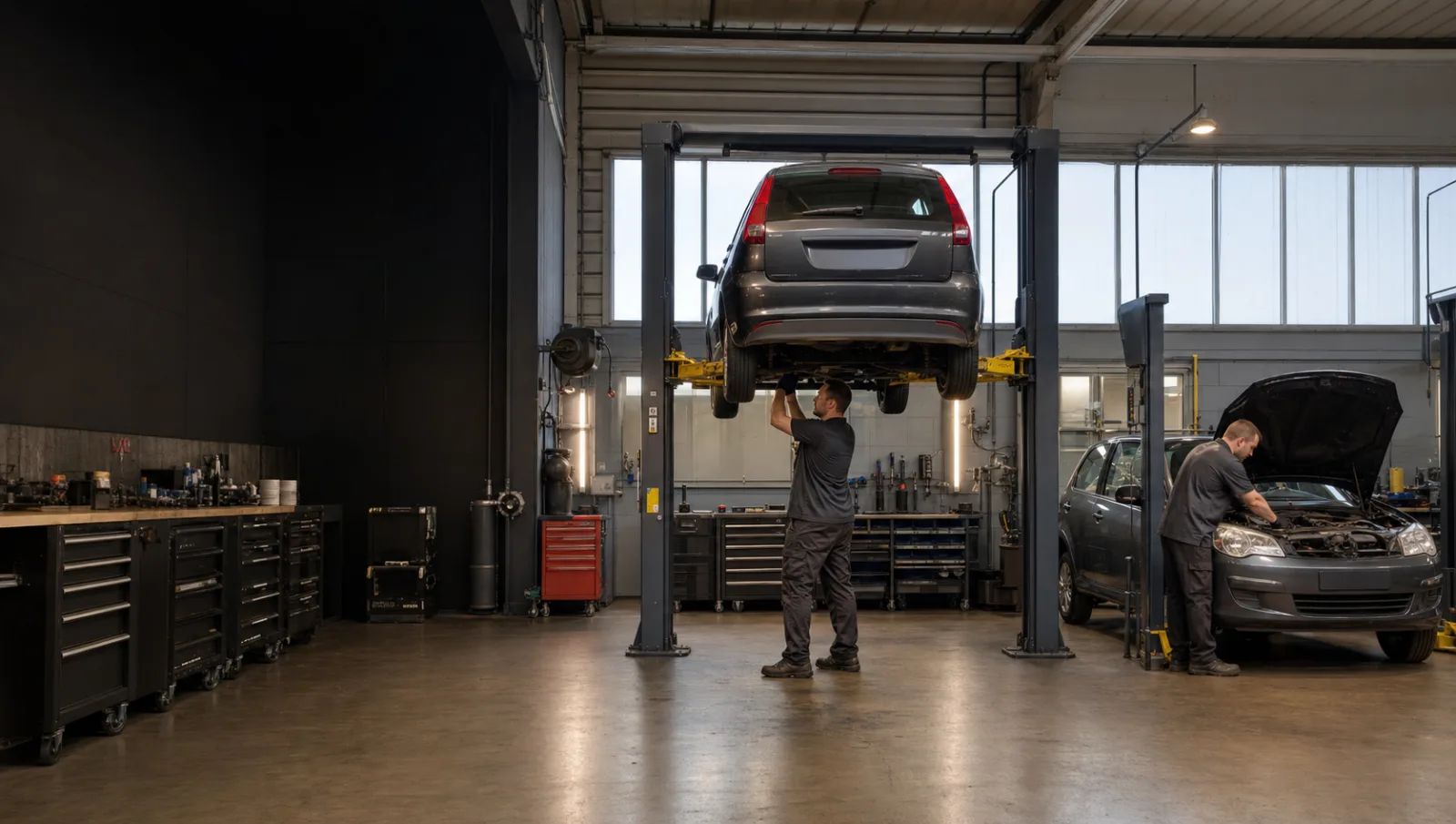
Two cars being worked on in separate bays inside an organised workshop.
Repair brief

Known or suspected

Start with what has been confirmed, not the part you hope it is

A previous inspection, written fault report or clear damaged component can define a repair. Otherwise, book enough assessment to identify the cause before parts are selected.

  • Share reports, invoices and recent parts replacement.
  • Describe symptoms in your own words.
  • Say whether another garage has already investigated.

Estimate basis

Ask which parts, labour and assumptions sit behind the figure

An estimate is easier to assess when the operator explains part choice, expected labour, consumables and known uncertainties. Vehicle inspection may still change the final scope.

  • Confirm whether the figure is an estimate or fixed quote.
  • Ask about part options where they genuinely exist.
  • Agree how changed findings will be communicated.
A mechanic discussing a blank inspection sheet with a customer.
Before approval
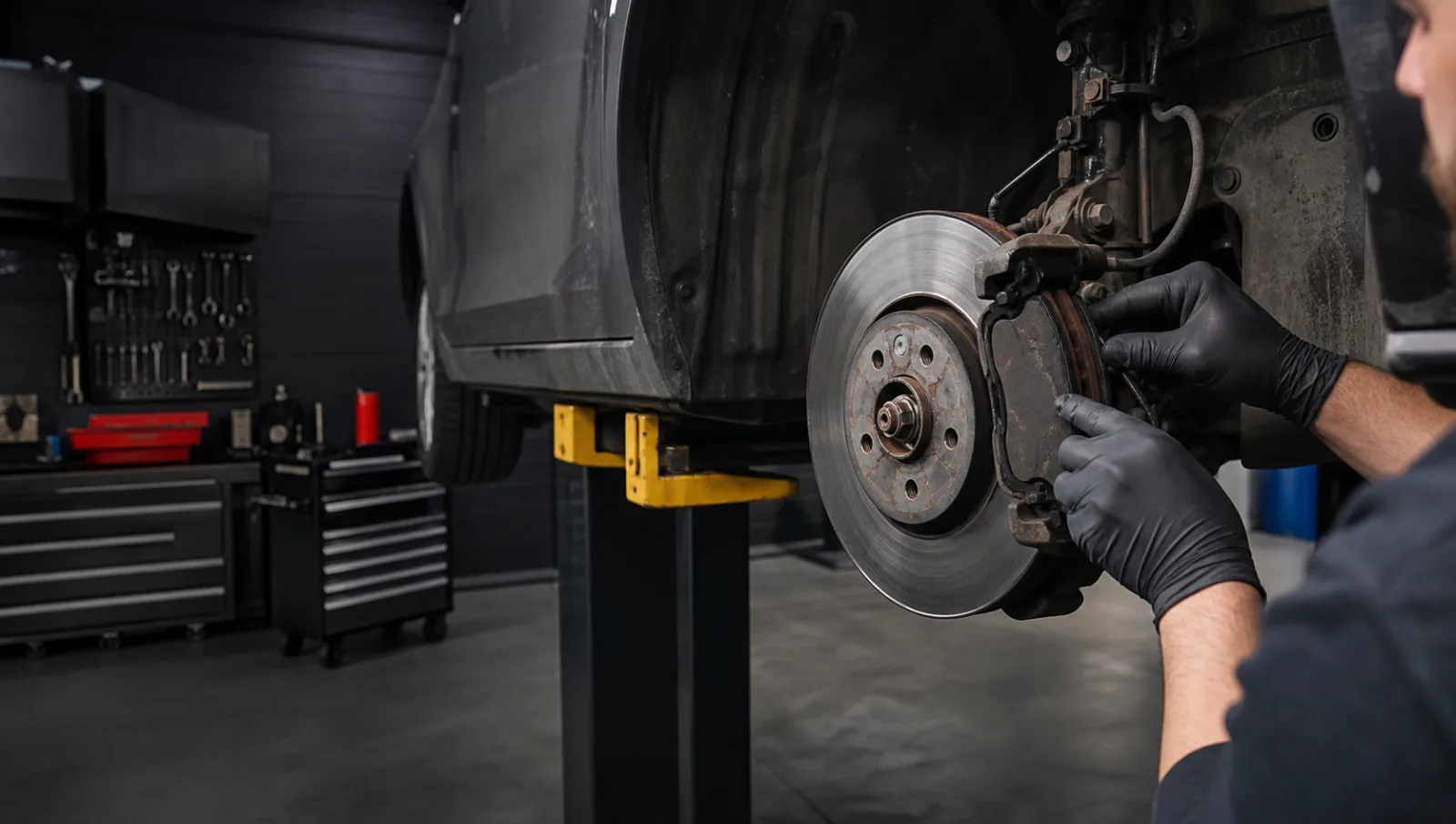
A mechanic inspecting a brake disc and caliper with the wheel removed.
Authorisation

During the job

Additional work should return to you as a decision

Hidden wear, seized components or related faults can emerge after dismantling. The operator should explain the evidence and effect on timing or cost before moving beyond the approved scope.

  • Set a clear contact and approval route.
  • Ask for photos when they genuinely aid understanding.
  • Do not treat silence as approval for open-ended work.

Handover

Understand what changed and what still needs watching

The final record should identify the work completed and parts used. Ask about any bedding-in, recheck or monitoring advice that applies to the actual repair rather than generic workshop copy.

  • Check the invoice against the agreed scope.
  • Keep repair records with the vehicle history.
  • Raise unexpected symptoms promptly with the operator.
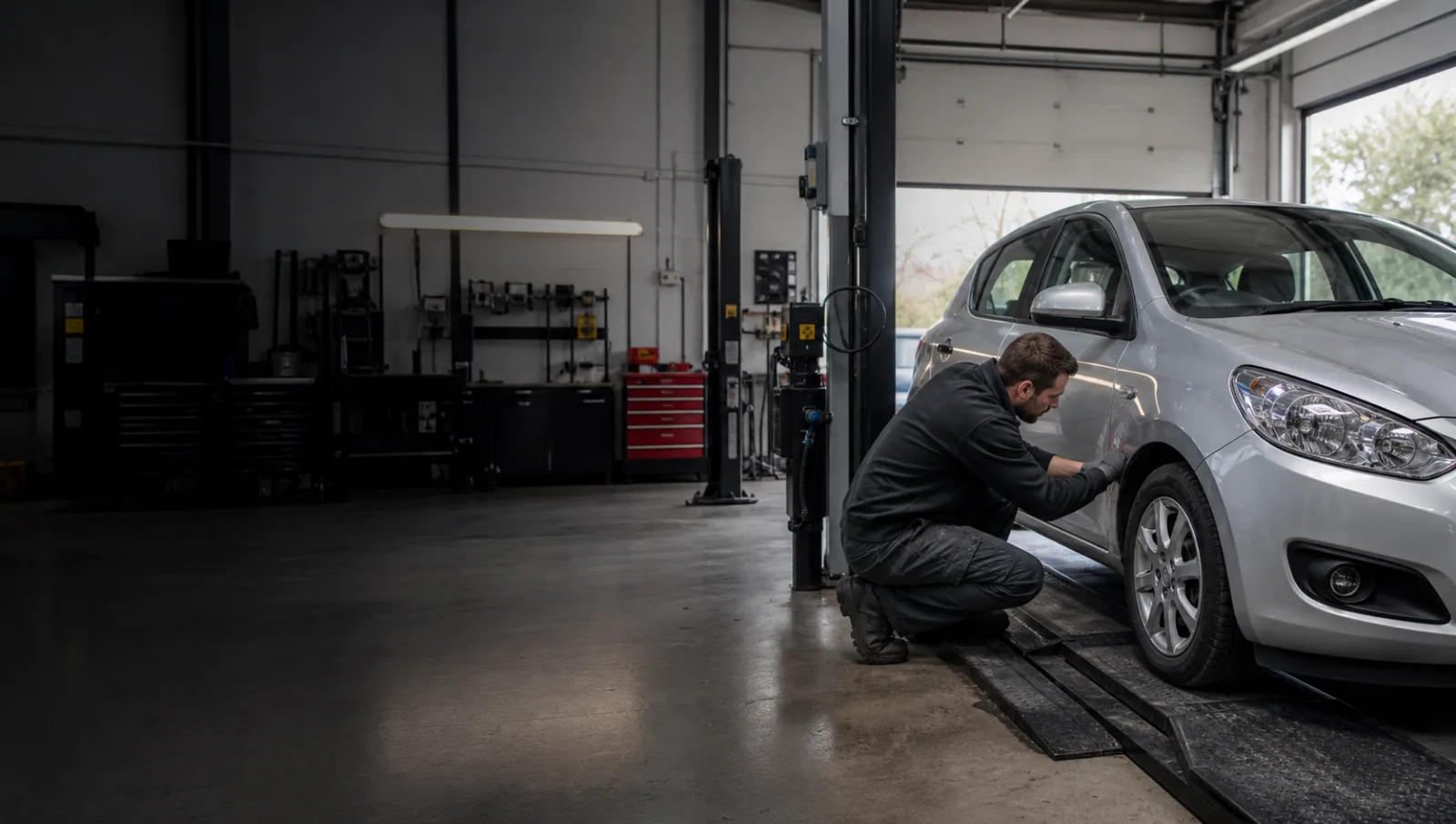
A mechanic inspecting a silver hatchback in a modern independent workshop.
After repair

Questions

Useful answers before the next step

Do I need a diagnosis before requesting a repair?

Not always, but the enquiry should distinguish a confirmed fault from a suspected one. Investigation may need its own scope and estimate.

Can a repair estimate change?

It can when inspection reveals different or additional work. The operator should explain changed findings and obtain approval before extending the job.

Can I choose which parts are used?

Ask the operator what options are appropriate for the vehicle and repair. Availability, specification and warranty terms need confirmation for the actual job.

What records should I keep?

Keep the estimate, approval, invoice and any supporting test or parts information with the vehicle history.

Are repairs guaranteed?

No warranty or guarantee is claimed by this demo. A real operator must publish accurate terms that match the work and parts supplied.

Next step

Prepare the details before requesting an appointment

Request an appointment