Request appointment

Car diagnostics that begin with the symptom, not a guess

Record what happened, when it happened and how the car behaved. Diagnostic equipment can supply evidence, but the repair decision may still need inspection and testing.

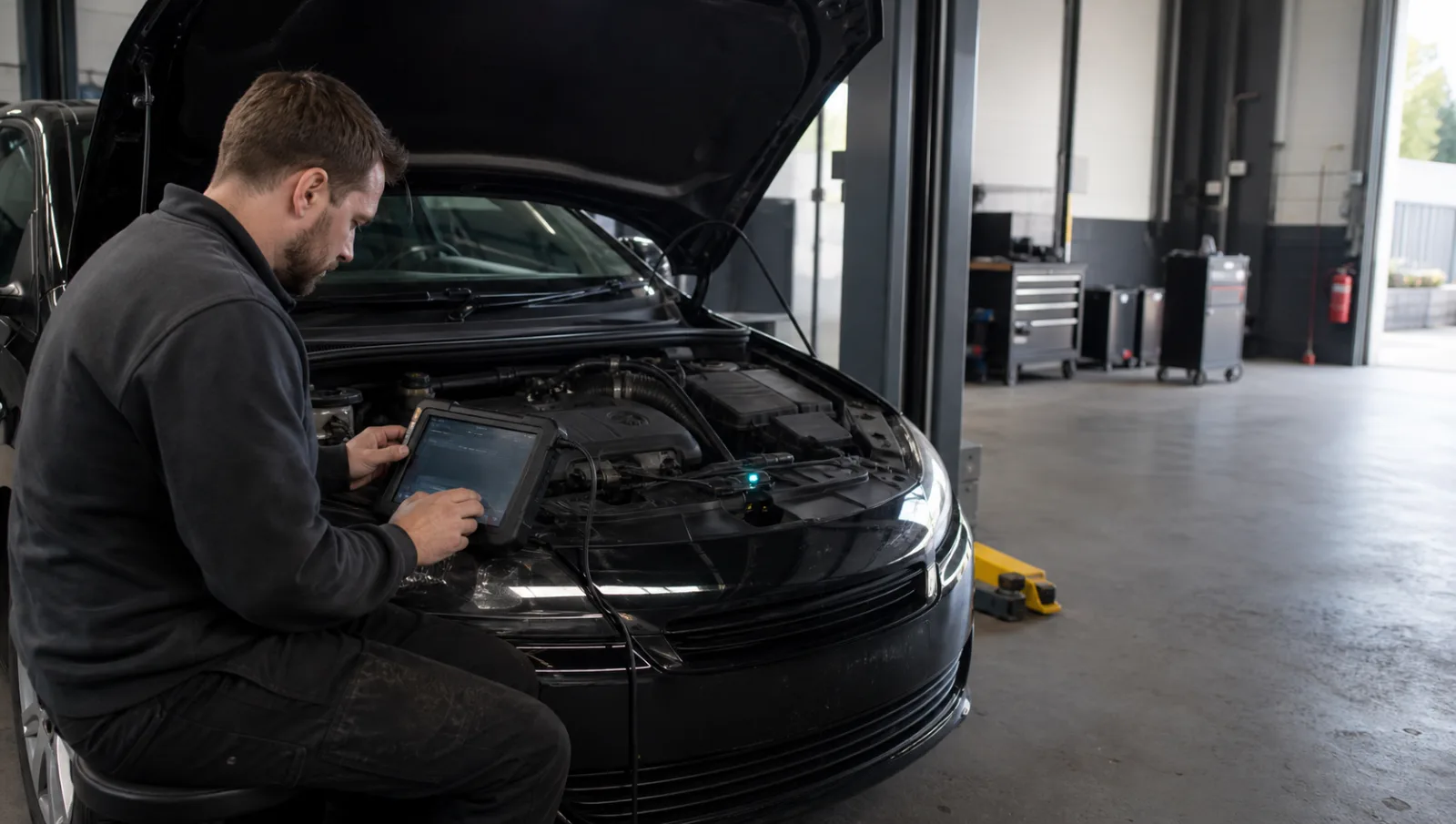
A mechanic connecting diagnostic equipment to a car with its bonnet open.
Symptom record

Describe the symptom

Small details can make an intermittent fault easier to reproduce

Note whether the car was cold or warm, moving or stationary, and whether weather, speed or load changed the symptom. Photos or a short recording may help when they can be captured safely.

  • Exact warning light or message.
  • Frequency, duration and conditions.
  • Recent battery work, repairs or unusual events.

Diagnostic evidence

A fault code points to a system, not always a failed part

Code reading can narrow the search, but wiring, sensors, supply voltage and mechanical conditions may produce related symptoms. A credible route leaves room for tests that confirm the cause.

  • Avoid buying a part from a code description alone.
  • Ask what tests support the proposed diagnosis.
  • Separate investigation time from repair authorisation.
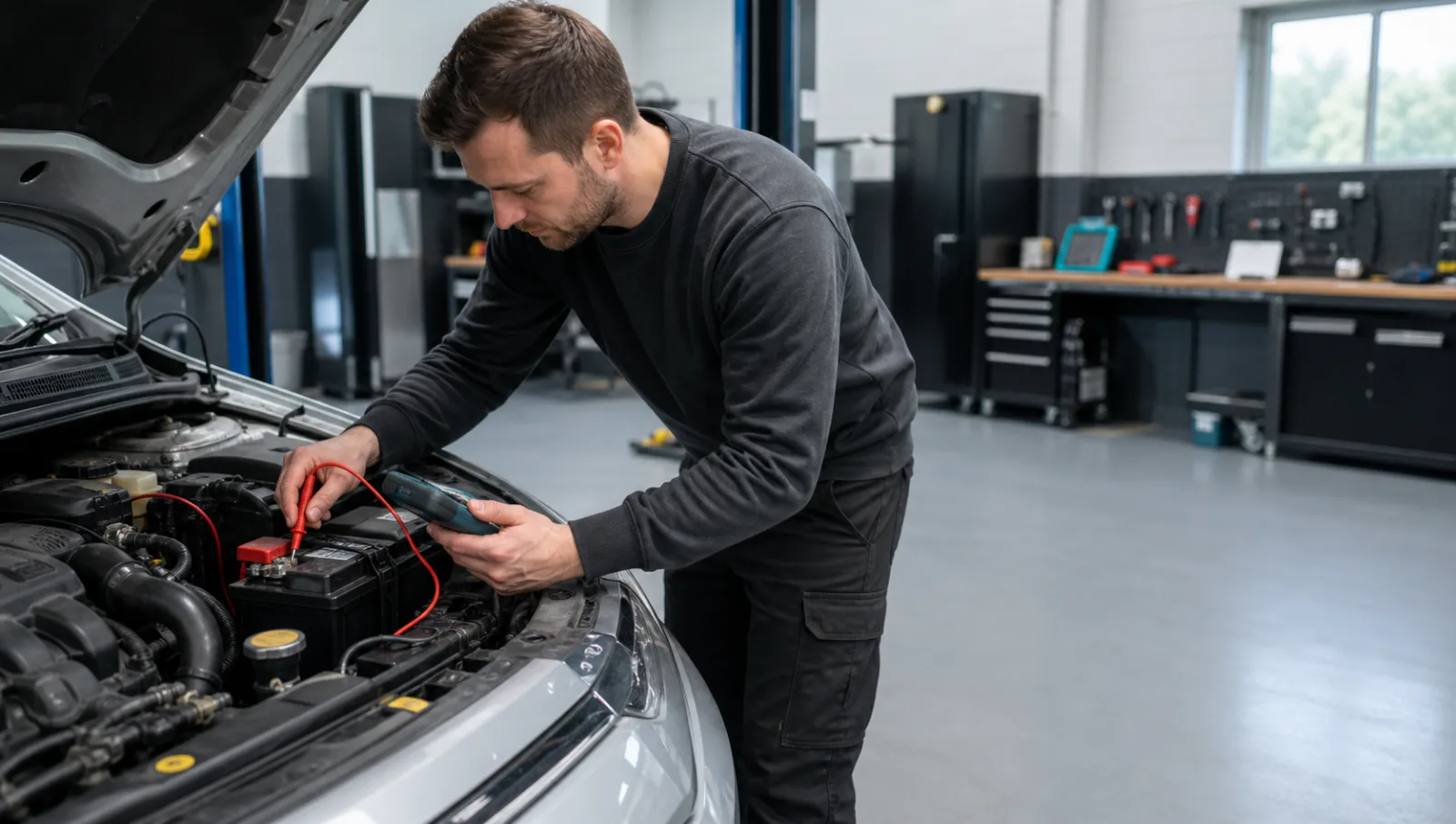
A mechanic using a multimeter to test a car battery.
Fault finding
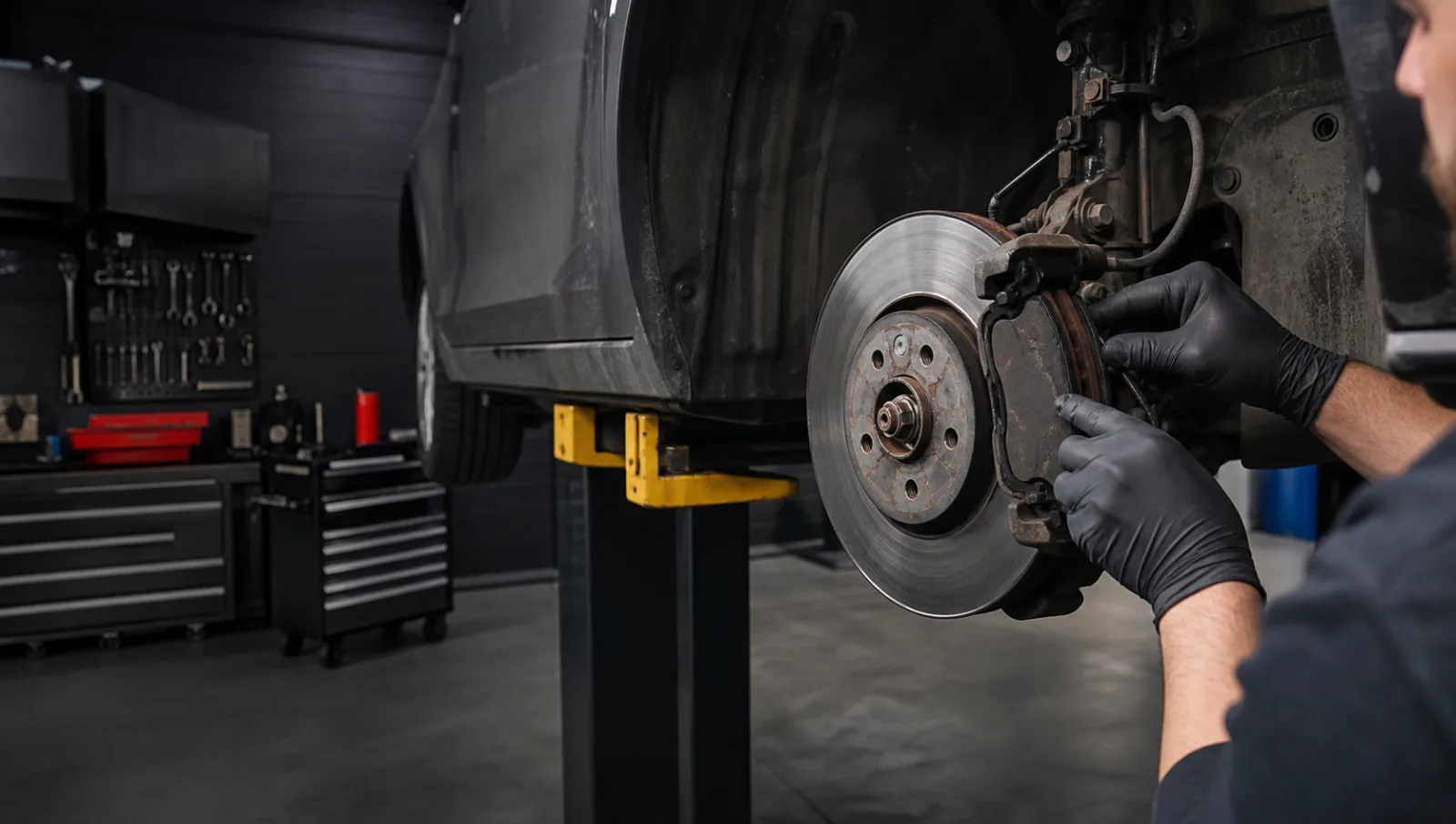
A mechanic inspecting a brake disc and caliper with the wheel removed.
Do not guess

Safety boundary

Some symptoms need the car to stop, not another journey

If steering, braking, visibility, overheating or control feels compromised, do not rely on an online description to decide whether the vehicle is safe. Stop and seek suitable professional or recovery help.

  • Do not ignore red warnings or rapidly changing behaviour.
  • Describe leaks, smoke, heat or smell without touching unknown fluids.
  • Use recovery rather than driving when safety is uncertain.

Repair decision

Ask for the evidence, proposed fix and next test

Once a likely cause is identified, the operator should explain what work is recommended, what remains uncertain and how success will be checked. That creates a clear boundary between diagnosis and repair.

  • Confirm the proposed part, repair or further test.
  • Ask what the estimate includes.
  • Record any unresolved or intermittent condition.
A mechanic discussing a blank inspection sheet with a customer.
Next step

Questions

Useful answers before the next step

Will a diagnostic scan tell me exactly what is wrong?

Not always. A code identifies a detected condition or system. Inspection and testing may still be needed before a repair is selected.

Should I clear a warning light before the appointment?

Avoid clearing it if possible because stored information may help. If you already cleared it, say when and why.

What details help with an intermittent fault?

Record temperature, speed, journey stage, weather, load, warning messages and how long the symptom lasts.

Can diagnostics and repair happen in one visit?

A real operator can confirm capacity and parts availability, but diagnosis may reveal a different scope. Treat repair as a separate approval decision.

What if the vehicle feels unsafe?

Stop driving and contact an appropriate garage, recovery provider or emergency service. This demo cannot assess roadworthiness remotely.

Next step

Prepare the details before requesting an appointment

Request an appointment