
Request appointment

Straight answers before work begins

Car care is easier when you know what has been checked, what needs attention and what happens next. That is the standard behind every Northline service route.

A mechanic discussing a blank inspection sheet with a customer.
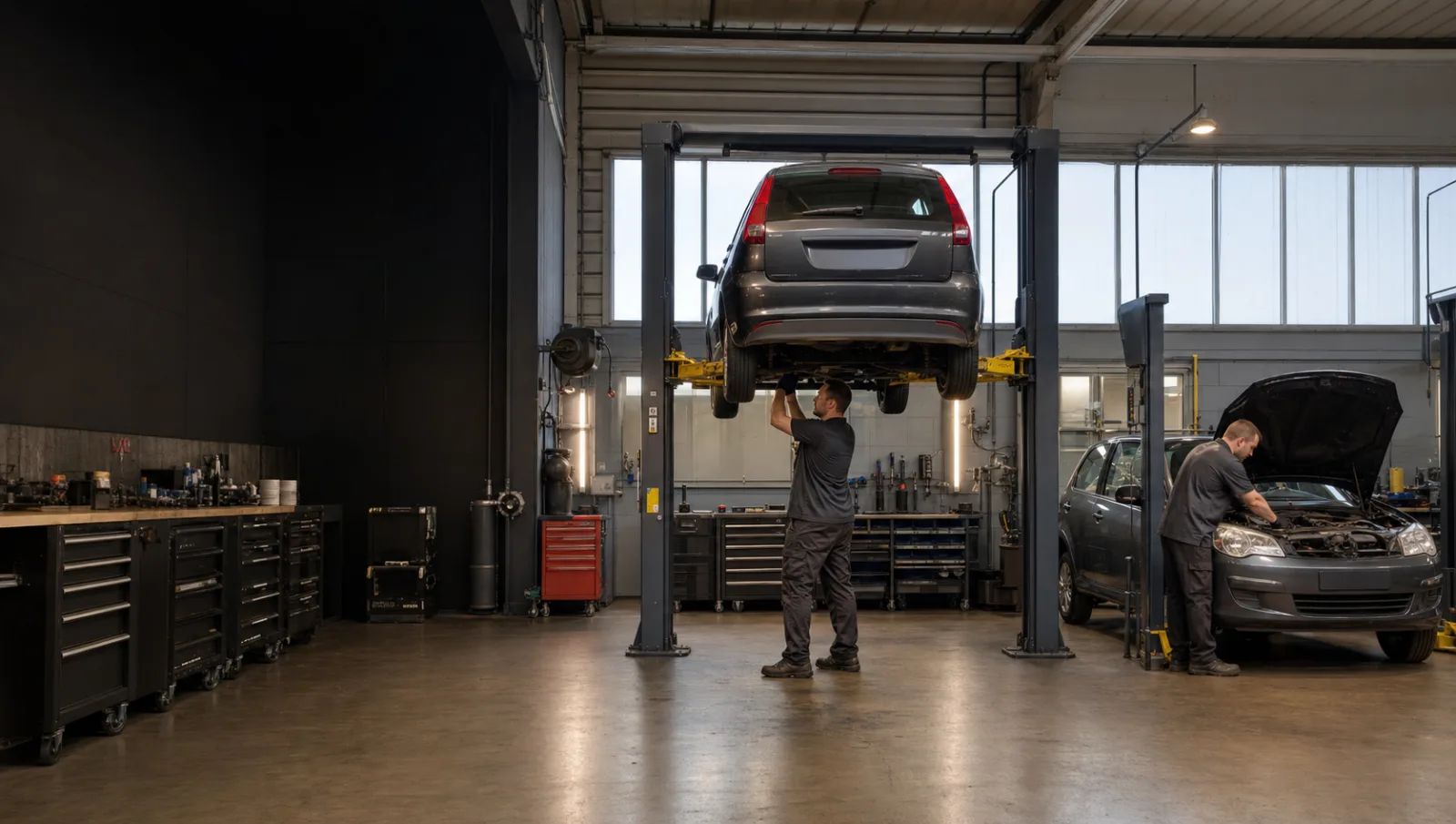
Two cars being worked on in separate bays inside an organised workshop.
Service routing

The right starting point

Routine maintenance and unknown faults need different visits

An MOT due date, scheduled service, warning light and mechanical symptom each need different checks. Choosing the closest route helps the workshop plan the time and equipment the car is likely to need.

  • Known service or statutory test.
  • Symptom-led diagnostic assessment.
  • Confirmed repair with evidence already available.
Clear diagnosis

What you notice and what testing confirms are different

A noise, warning light or change in driving feel is the starting point, not the diagnosis. The useful next step is to show which checks support the recommendation and which questions remain open.

  • Your description should remain distinct from the diagnosis.
  • The recommendation should be supported by clear checks.
  • Any remaining uncertainty should be made clear.
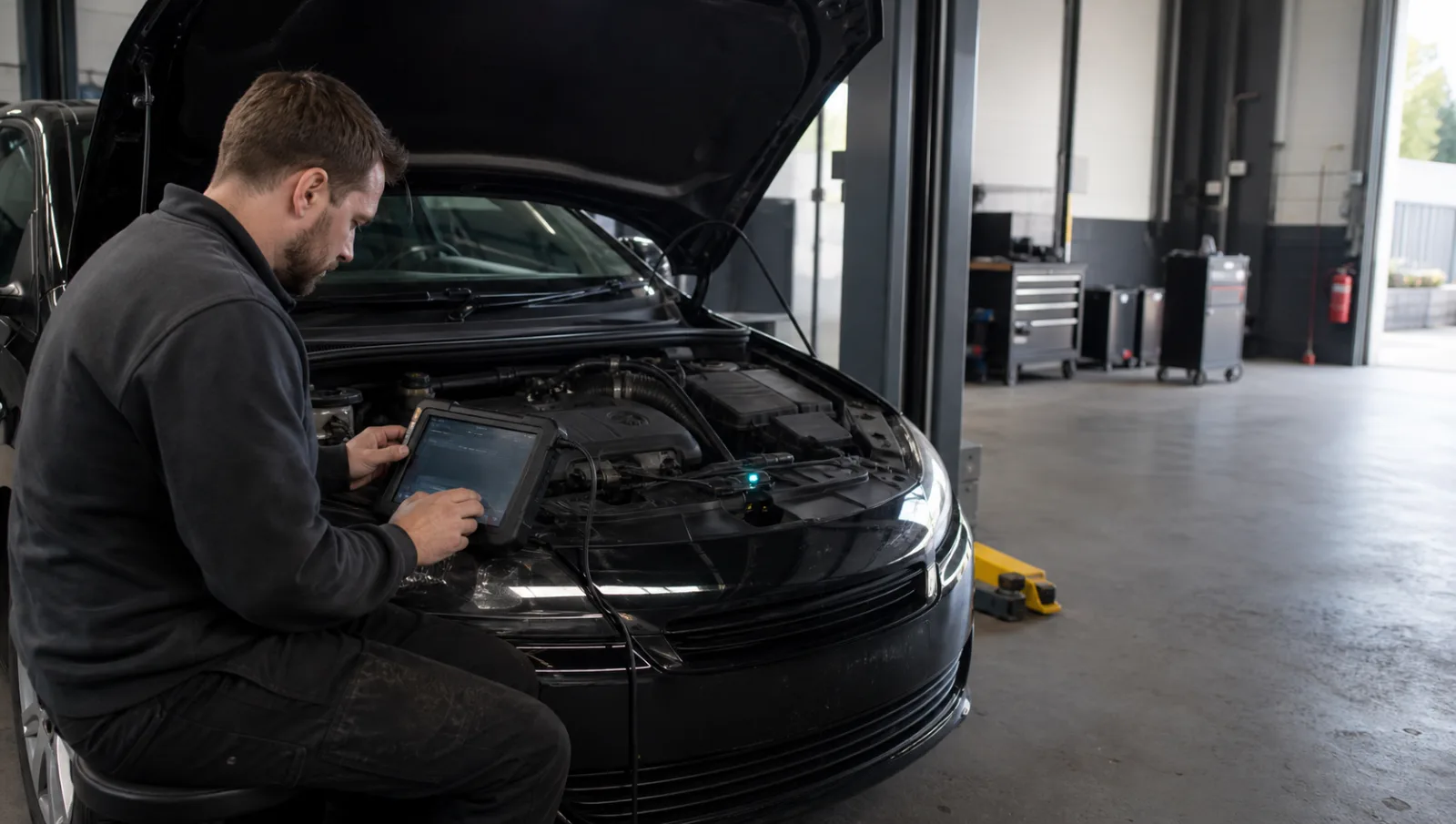
A mechanic connecting diagnostic equipment to a car with its bonnet open.
Assessment
A mechanic discussing a blank inspection sheet with a customer.
Authorisation

Your approval

Additional work should always come back to you

The agreed work and estimate basis should be clear before work starts. If inspection reveals something different, you should receive the findings, options and likely effect on timing or price before the job expands.

  • Confirm what has been authorised.
  • Explain changed findings before extending the job.
  • Provide a useful record at handover.

At handover

Leave with a useful record of the work

A clear invoice and service record make future maintenance easier. The handover should identify the work completed, parts used, unresolved observations and any advice that applies to the actual job.

  • Check the completed work against the agreed scope.
  • Keep invoices and test information with the vehicle history.
  • Ask when the next routine check or service may be due.
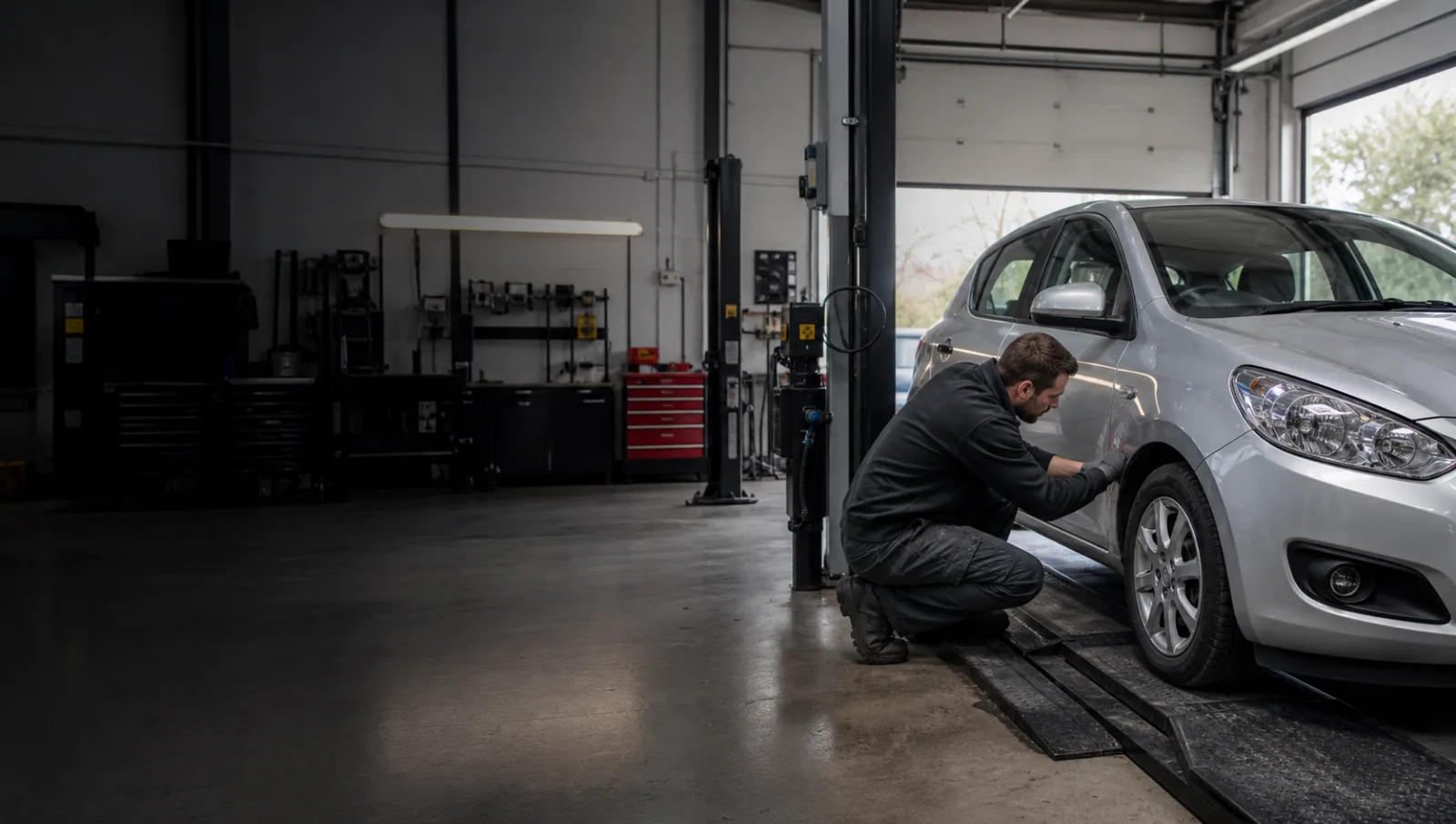
A mechanic inspecting a silver hatchback in a modern independent workshop.
Service record

Questions

Useful answers before the next step

What should I bring to an appointment?

Bring the vehicle details, available service history and any recent invoices or reports that relate to the work.

Will extra work begin automatically?

It should not. New findings should be explained and additional work agreed before it goes ahead.

What if I only know the symptom?

Choose diagnostics and describe exactly what you hear, see or feel, including when it happens.

What should I keep after the visit?

Keep the estimate, invoice, service record and any diagnostic or parts information with the vehicle history.

Next step

Ready to arrange the next step?

Book your car in