Request appointment

Tyres and wheel alignment for wear, grip and steering concerns

Describe the wear pattern, pressure change or steering behaviour and when it appears. Tyres, wheels, alignment and suspension can interact, so the inspection should not jump to one cause.

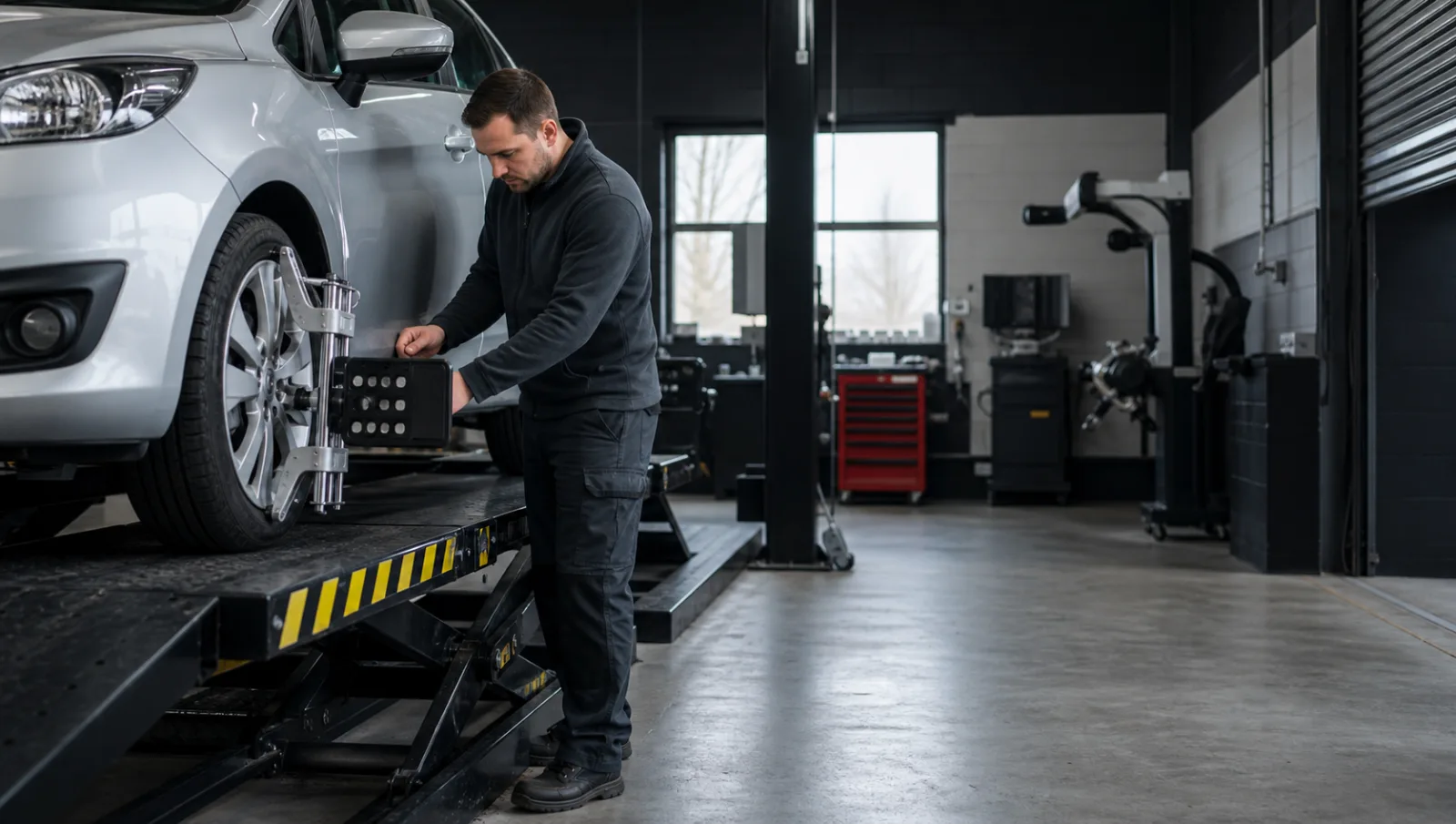
A mechanic setting wheel-alignment equipment on a silver car.
Tyre brief

Tyre condition

Look across the tread and sidewall, not at one convenient spot

When it is safe, note uneven wear, visible damage and repeated pressure loss. Use the vehicle information and tyre markings to identify the current specification rather than guessing from wheel size alone.

  • Which tyre or axle is affected.
  • How quickly pressure changes.
  • Any impact, pothole or recent wheel work.

Driving symptoms

Steering pull and vibration need speed and road context

Record whether the car pulls on a level road, the steering wheel sits off-centre or vibration changes with speed. Road surface and tyre pressure can affect what the driver feels.

  • Speed range and road conditions.
  • Whether braking or acceleration changes the symptom.
  • Recent tyre, wheel, steering or suspension work.
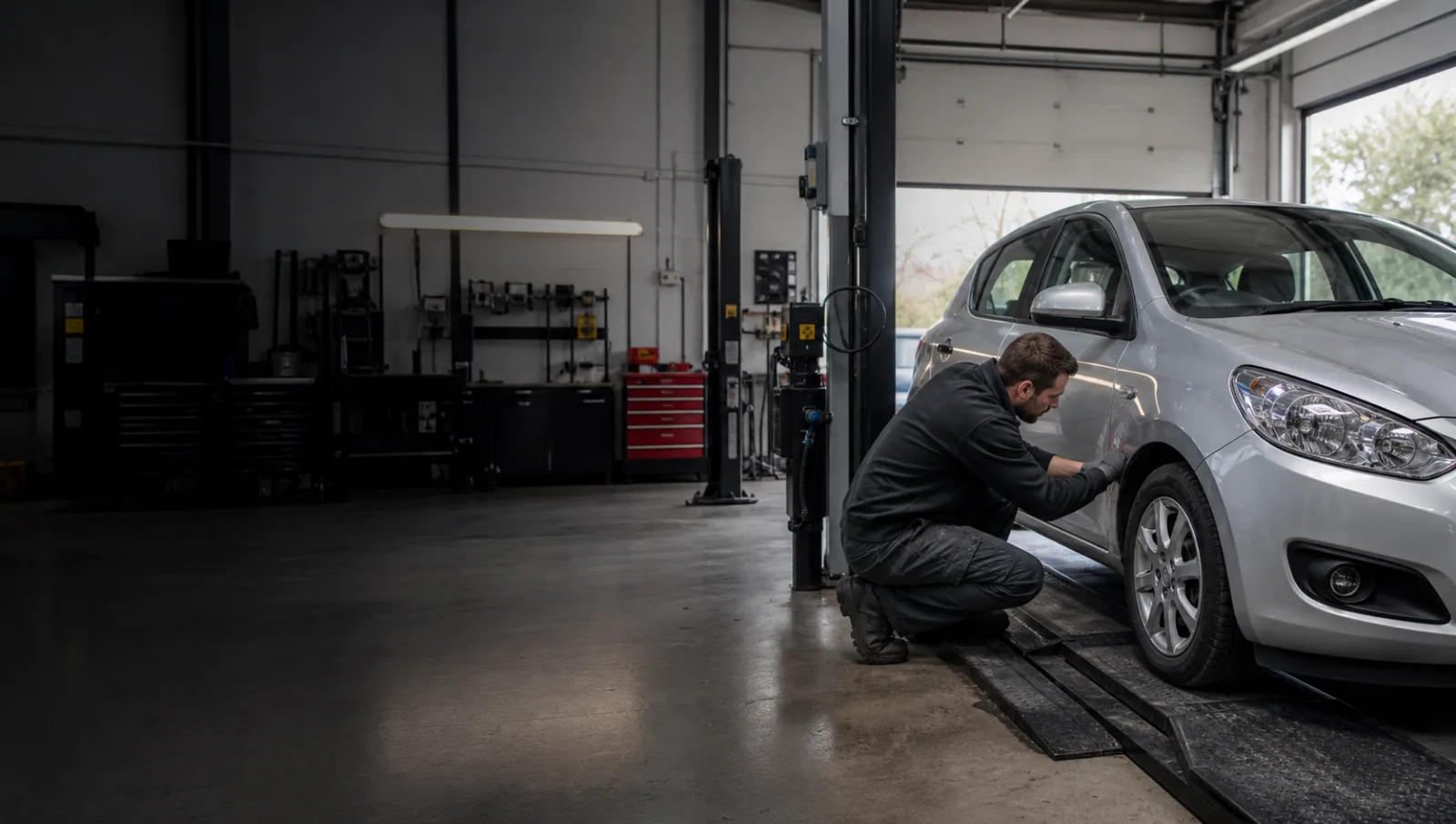
A mechanic inspecting a silver hatchback in a modern independent workshop.
Steering context
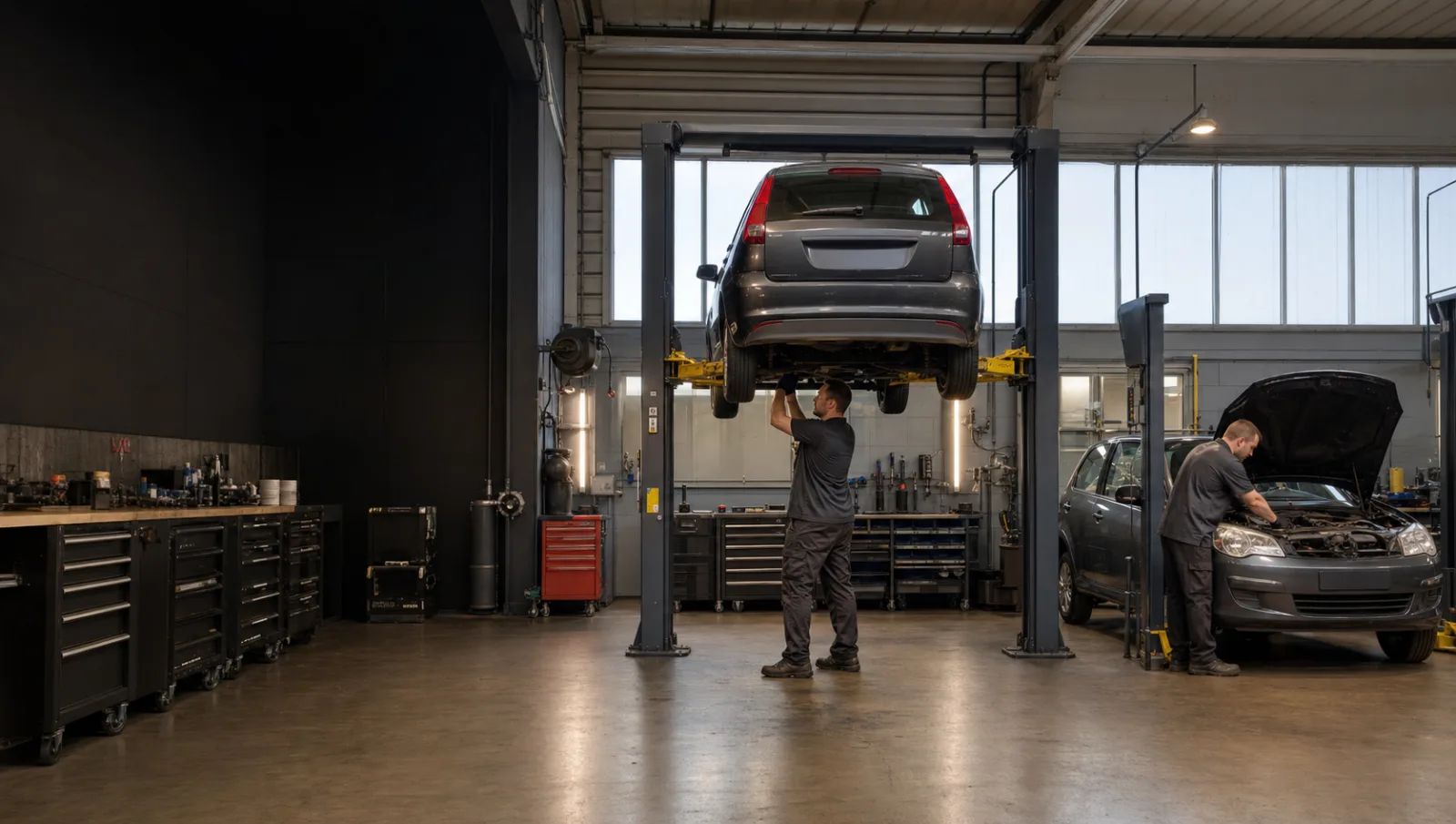
Two cars being worked on in separate bays inside an organised workshop.
Measurements

Alignment assessment

Alignment readings are part of a wider condition check

An operator may need to inspect tyres, wheel condition and steering or suspension components before adjustment. Ask for the measured starting point and what was changed.

  • Confirm which alignment angles are being assessed.
  • Ask whether worn or damaged parts limit adjustment.
  • Keep the before-and-after record when provided.

Tyre choice

Confirm size, rating, use and total fitted scope

A tyre decision should match the vehicle and intended use. Before approval, confirm the exact specification, quantity, fitting items and disposal or alignment charges that apply.

  • Check the vehicle requirement and current axle fitment.
  • Ask what is included in the fitted estimate.
  • Confirm pressure and monitoring-system handover.
A mechanic discussing a blank inspection sheet with a customer.
Before approval

Questions

Useful answers before the next step

Does uneven tyre wear always mean the alignment is wrong?

No. Pressure, tyre condition, wheel damage and steering or suspension issues can contribute. Inspection should identify the relevant cause.

Why does the steering wheel sit off-centre?

Alignment is one possible factor, but a description alone cannot confirm the cause. Include when it started and any recent impacts or work.

Should I replace two tyres at once?

Ask the operator to assess condition, axle fitment, vehicle requirements and current tyre specification before recommending quantity or position.

Is wheel balancing the same as alignment?

No. They address different wheel and vehicle conditions, although symptoms can overlap. The operator should explain which assessment fits the concern.

What if a tyre is visibly damaged?

Do not keep driving to test it. Arrange suitable professional help or recovery when safety is uncertain.

Next step

Prepare the details before requesting an appointment

Request an appointment