Request appointment

Car servicing planned around the vehicle and its use

Bring the history, current mileage and details of how the car is used. The operator can then discuss a suitable scope instead of turning every service into the same package.

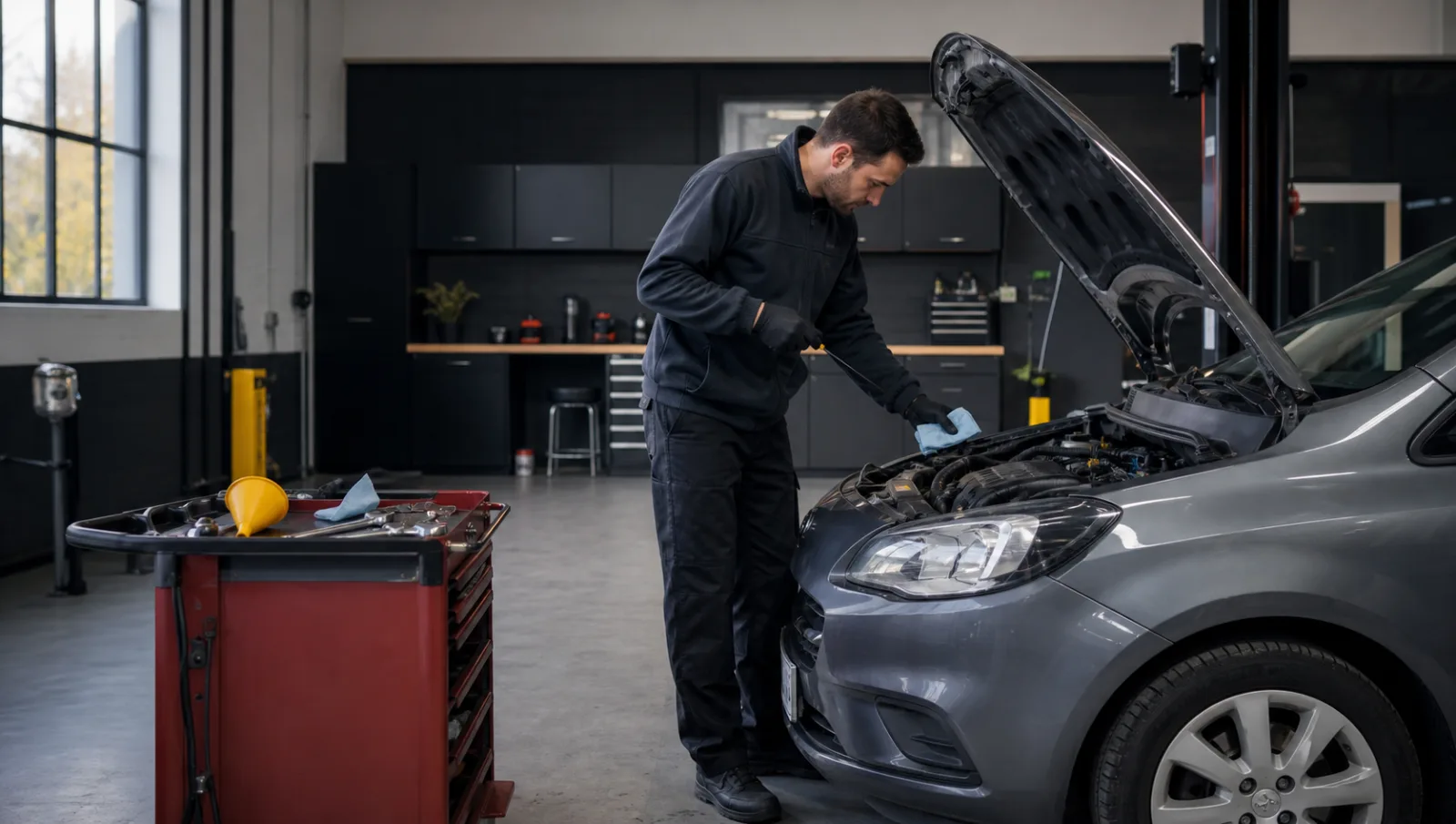
A mechanic checking a car engine during routine servicing.
Maintenance context

Service scope

Start with manufacturer guidance and the car's real history

Service schedules differ by vehicle, age, engine and use. The owner's information and available records provide a better starting point than a generic mileage label on its own.

  • Share the registration, age, mileage and engine details.
  • Bring the service record and recent invoices if available.
  • Mention missed maintenance or uncertain history openly.

How the car is used

Short trips, towing and long journeys change the conversation

Journey pattern and load can affect what deserves attention. Explain typical use, seasonal changes and any recent long-distance travel so the operator can frame the assessment accurately.

  • Typical trip length and annual mileage.
  • Towing, heavy loads or prolonged storage.
  • Any change in fuel use, noise, vibration or starting.
A mechanic discussing a blank inspection sheet with a customer.
Vehicle use
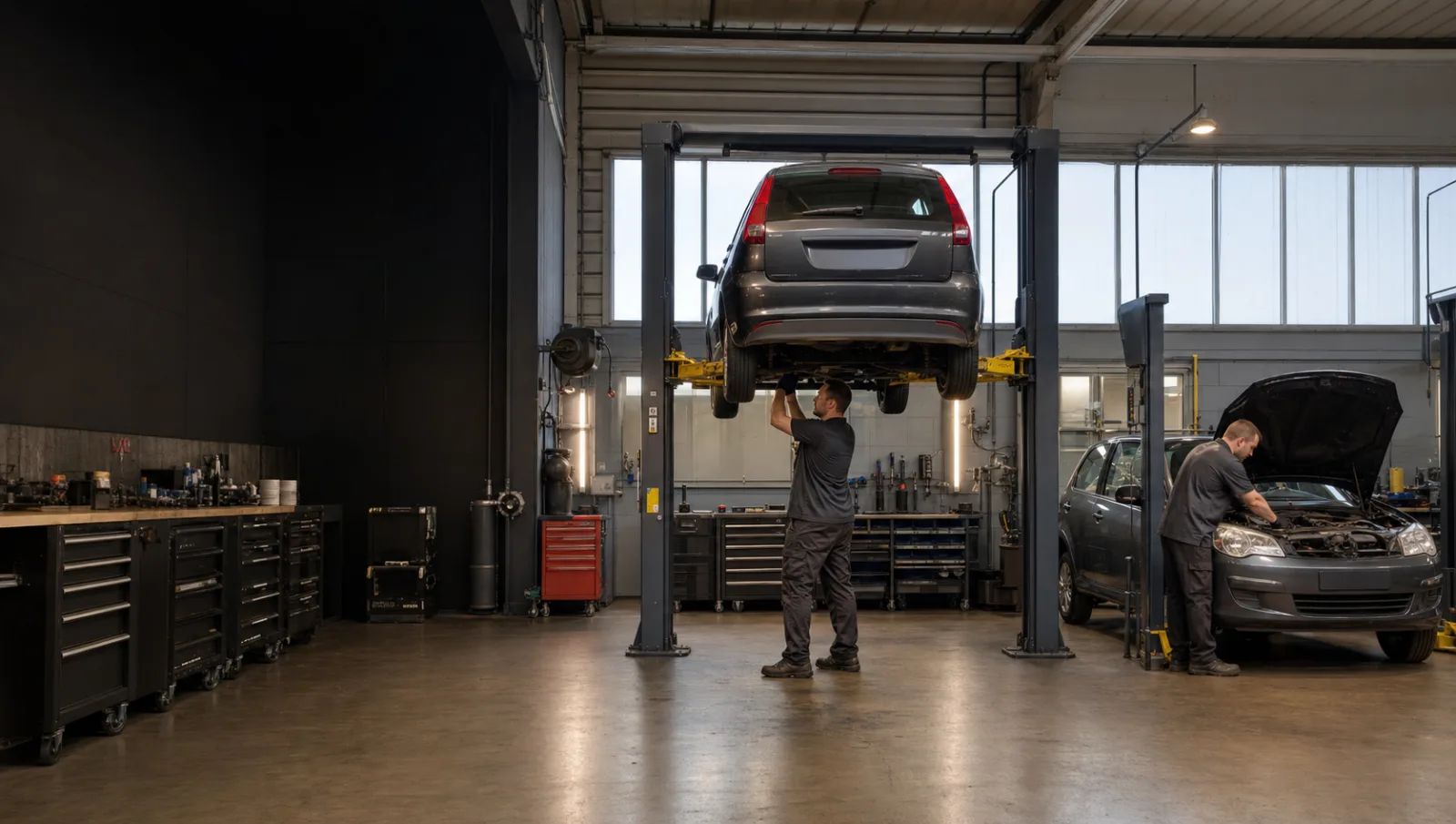
Two cars being worked on in separate bays inside an organised workshop.
Scope and approval

Before work

Confirm what is included and what remains conditional

Ask for the proposed checks, fluids, filters and parts to be described in plain language. Additional findings should trigger another decision rather than silently expanding the job.

  • Confirm labour, parts and consumables in the estimate basis.
  • Agree how additional work will be authorised.
  • Ask whether diagnostic investigation is separate.

After servicing

Keep the record useful for the next decision

A clear invoice or service record should identify the date, mileage and work completed. Ask about observations that need monitoring without treating every advisory note as an immediate repair order.

  • Check the recorded mileage and completed work.
  • Keep receipts with the vehicle history.
  • Clarify any monitoring or follow-up recommendation.
A mechanic inspecting a silver hatchback in a modern independent workshop.
Service record

Questions

Useful answers before the next step

How do I know which service my car needs?

Start with the manufacturer's schedule, the available history, mileage and how the vehicle is used. A real operator can then discuss a suitable scope.

Is servicing the same as an MOT?

No. An MOT checks statutory road-safety and environmental standards at the time of the test. Servicing is a separate maintenance route.

Can extra work be carried out during a service?

Only after the operator explains the finding, proposed work and estimate basis, and you authorise the change. Record that approval process in the booking terms.

What should I bring?

Bring the vehicle, locking-wheel-nut key where relevant, service history and any recent repair information the operator requests.

Are service package prices fixed?

No prices are claimed on this demo. Vehicle specification, parts, scope and operator policy need to be confirmed before a live quote or package is published.

Next step

Prepare the details before requesting an appointment

Request an appointment